
Computer forensics - when media analysis makes sense and when the material has already been changed
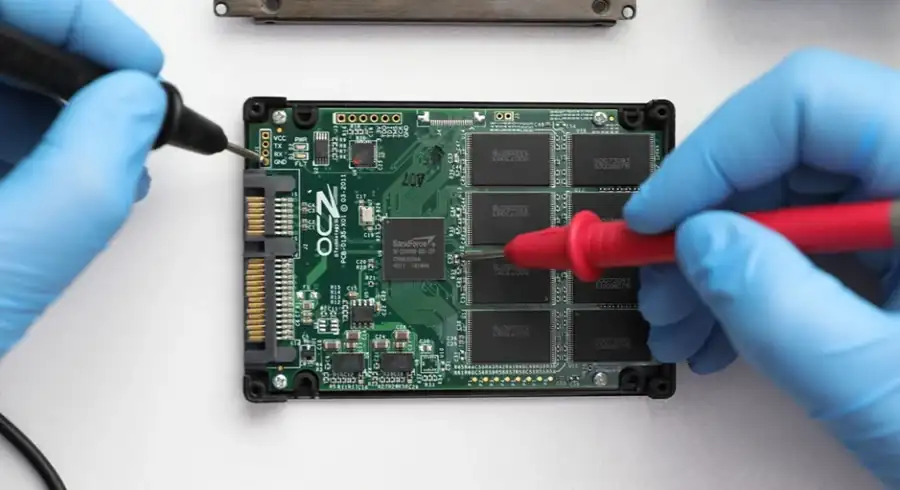
Analysis makes sense when you need answers to a specific question: what would be deleted when files were changed, what would be the scope of operation of the user or whether the material would retain the technical value. This is a different mode of operation than classical extraction of files, so first you need to determine the purpose of the analysis.
Not every case is the same
Forensic analysis of the media is most valuable when something more than the current files can still be read in the material: chronology of changes, traces of use, metadata, directory structure, logs or the scope of data deletion. Not every failure and not every file "disappearance"automatically mean that forensic analysis is needed - sometimes the priority is simple data recovery, and sometimes the material has been changed so much that the limitations need to be realistically assessed.
If you need to secure your media first, start with this guide how to protect the material from analysis, and if the case is already ready for laboratory work, go to the service computer media forensics.
When analysis usually has great value
- after a security incident, when the course of events needs to be recreated,
- when metadata, modification dates and the scope of changes to files are important,
- in disputes regarding deletion, copying or overwriting of data,
- for corporate media, where the order of activities and the technical report are important,
- when the storage device can still be safely protected with an image or working copy.
Which most often weakens the material
- further work on the same storage device after the incident,
- system reinstallation or updates launched "to see if it will work",
- file system repair and automatic repair scans,
- overwriting data areas, especially on flash/SSD media,
- mixing several sources and no description of what was done along the way.
How to formulate the purpose of analysis
On HDD drives, some traces may persist longer, unless the storage device has been used intensively. SSD and some flash media require mechanisms such as TRIM or garbage collection, which can quickly reduce the value of the material after deleting or overwriting data. This does not rule out every case, but it changes expectations and strategy.
If you simply need to recover files after a disaster, without questions about chronology, metadata and the scope of changes, the classic data recovery procedure is usually sufficient. Forensic analysis makes sense when the result is intended to answer specific technical questions, not just "can the files be read?"
HDD, SSD and flash novices – why restrictions are different
Sometimes yes, but a lot depends on how extensive the changes were and whether the storage device was still used. The fewer actions taken after the incident, the greater the value of the material.
When this is an analysis and when only data recovery
If only the purpose is to recover the files after a failure, without asking for the chronology, metadata and scope of changes, it is usually sufficient for the classical recovery path. The analysis makes sense when the result is answered to specific technical questions: what has changed when, to what extent and whether the material retains evidence.
The boundary can be smooth, therefore it is worth talking directly about the expected result. A file retrieved from the client folder can be sufficient for operational work, but do not meet the purpose of the analysis if you need a history of its creation, modification or deletion. On the other hand, the analysis of metadata will not replace data recovery when the customer needs first of all access to documents.
FAQ before making a decision
Does the analysis still make sense after reinstalling the system?
Sometimes, but much depends on how wide the changes were and whether the paper was still used. The less action “after an incident, the more valuable the material is.
Is it always possible to confirm file deletion?
Not always. This depends on the type of storage device, the extent of overwriting, the preserved metadata and what happens after removal.
Does investigative analysis replace a legal opinion?
No. This is a technical material that can support further actions on the part of the client, firm or compliance.
Read more
How not to change the matter before analyzing...
If the storage device is of evidentiary importance, do not treat it as a disk for repair. Do not start the system, don't order folders, don't change the filenames and don't install a tool to review the contents of the storage device. Any such action may change metadata, logs, time tags or removals.
The safest way to describe the goal is to confirm the presence of the file, the history of the modifications, the extent of removal, user activity, the integrity of the material or only the recovery of documents for work. This depends on whether or not it is appropriate There is an investigational analysis, data recovery, or a combination of both services.
What to prepare to talk about analysis
- type of storage device and device: computer, laptop, phone, USB drive, card, server,
- the purpose of the analysis and the question on which the matter is answered,
- who has access to the device after the incident,
- whether the platform was run, copied, repaired or connected to other computers.
Technical analysis may help to resolve the facts, but it does not replace the legal, procedural or personnel decision. Good diagnostics show what you can check in the material, and where you start... there are limitations.
The boundary between technical analysis and interpretation matters
Analyse the footpiece can show Technical documentation: presence of files, metadata, history of changes, fragments of deleted data or user activity. However, she should not pretend that she alone determines intentions, guilt or a full organisational context. This is the material that needs to be later combined with documents, procedures and decisions on the client side.
Therefore, before the order it is worth precisely to define also analyses: what exactly do we need to learn from the storage device? The clearer the question, the less accidental search and less risk, the analysis of the flow in the curiosities rather than the evidence.