
Corrupt HDD – 5 errors that destroy data
What not to do after HDD clicks, RAW prompts, CHKDSK errors or failed copies, and how to preserve the evidence before lab diagnosis.
See what you don't do →Dysk i Spółka • Data Recovery Laboratory
This is the laboratory's organized knowledge base: guides, failure scenarios and case studies. If you already know you need help, choose the most relevant route below.
This archive collects only blog content: guides, checklists and case studies. Service, local and sales pages are excluded from the feed so that the blog remains readable and truly useful. Once you recognize the symptom, go to the appropriate service page:
KNOWLEDGE BASE
If you're coming here for the first time, go to the section that best suits your storage device or environment. This makes it easier to separate educational guides from service pages and choose the right next step.
What not to do after HDD clicks, RAW prompts, CHKDSK errors or failed copies, and how to preserve the evidence before lab diagnosis.
See what you don't do →
Backup is supposed to work on its own, but only once someone gets the scheduling, versioning, and recovery testing right. Here's a specific plan for Windows and macOS.
See copy plan →
In the RAID array, panic causes the most damage: restarting, rebuilding or replacing the disk on a whim. Check how to secure the situation before you lose further data.
See first decisions →
Learn when a CRC error is a cable issue, when sectors are failing and when another copy attempt may make the recovery harder.
See safe steps →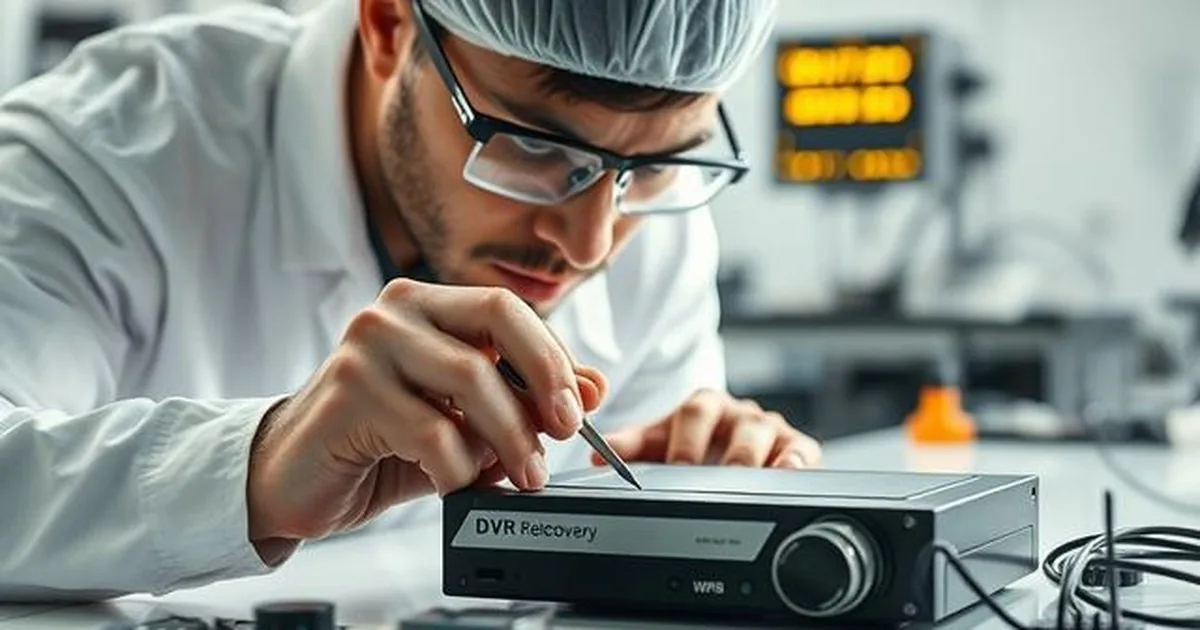
Initialization can overwrite metadata. Check what the Windows prompt means before you click OK on a disk that still contains needed files.
Check before initialization... →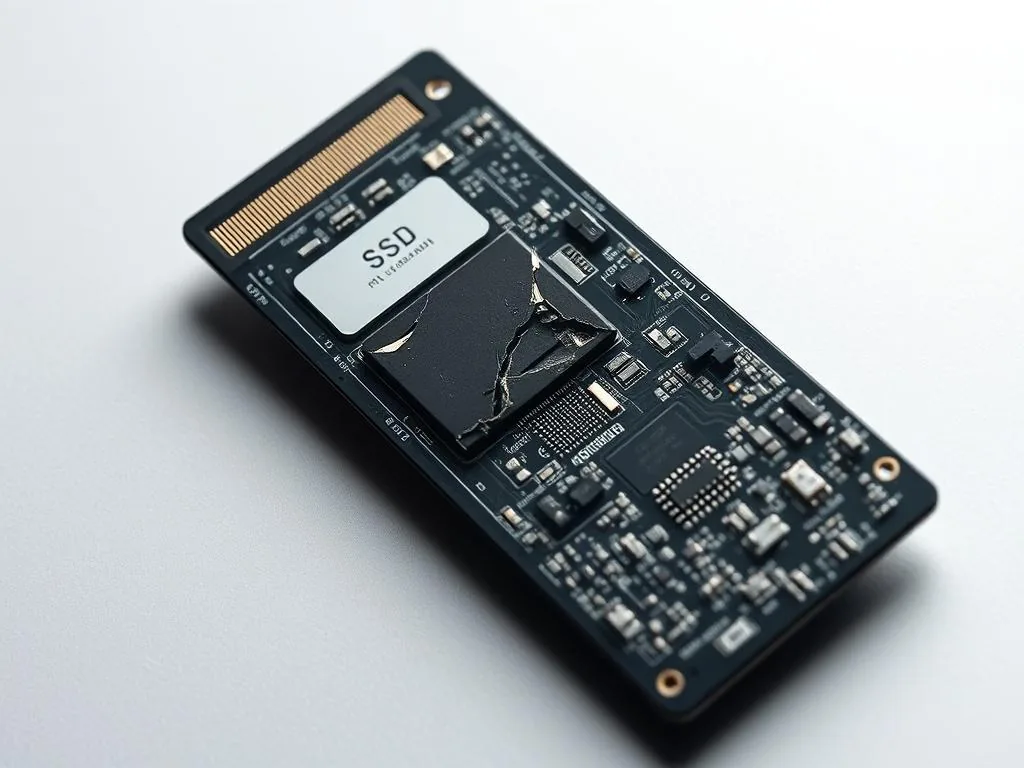
What SSD/NVMe bricking means, why it can happen during recovery attempts and why power cycling is risky.
Check Brick's symptoms →
Not everything can be recovered with a scanner, software and patience. This text shows where home methods end and real laboratory work begins.
See when you'd stop trying →
A plan for the first 24 hours after a NAS or server failure: how to stop the damage, what to document, and when to discontinue independent operations.
See the plan for the first 24 hours →
This is a short list of actions that most often kill the chance of recovery: from formatting to random "repairs" from the Internet. Better read it before clicking for the first time.
See what you don't do →
A practical comparison of reliability, failure modes and what each drive type means for your data.
Compared to the risks of HDD and SSD →
A black screen after connecting the drive does not always mean a damaged system. We describe how to distinguish a storage-device problem from a computer fault and what not to do blindly.
Check the first steps ’
The RAW status looks scary, but the biggest mistake is to quickly click "Format". In this guide, we explain what RAW means and how to stop the problem from escalating.
Do not confirm formatting →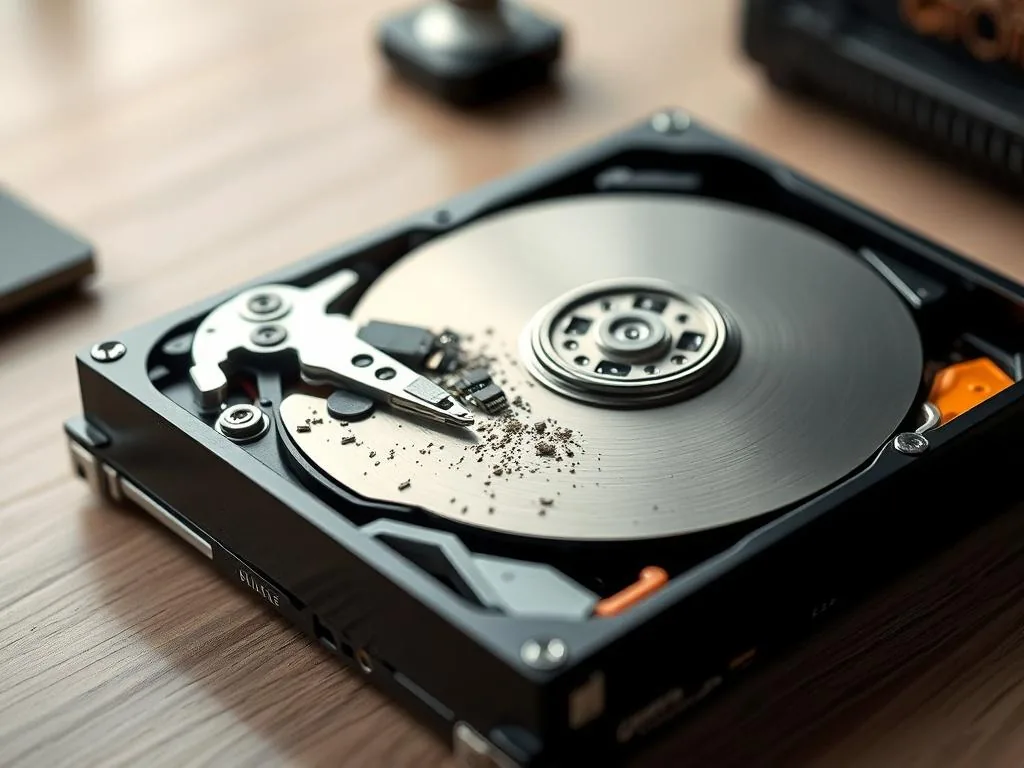
Power loss can interrupt file-system writes and expose weak sectors. See what to check before running repair tools.
Check for signs of power failure →
After being connected to another computer, the storage device may suddenly go RAW due to the power supply, file system or a previously hidden fault. We check the most typical scenarios.
Safe first step →
Separate cable, bridge, power and file-system symptoms before formatting the device or running automatic repair.
See safe steps →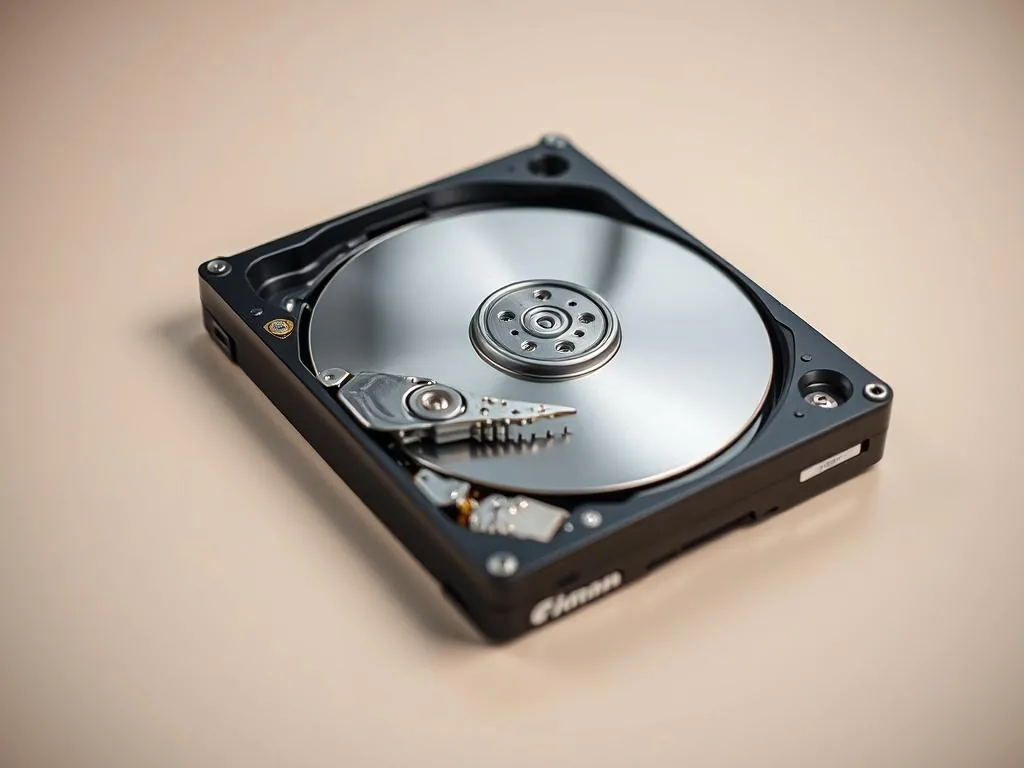
Clicking can point to head, spindle or service-area trouble. Stop repeated power cycles and write down the sound pattern.
Check what not to run →
The formatting message often appears exactly when the data is still salvageable. The most important thing is one thing: do not confirm anything without a diagnosis.
Do not confirm formatting →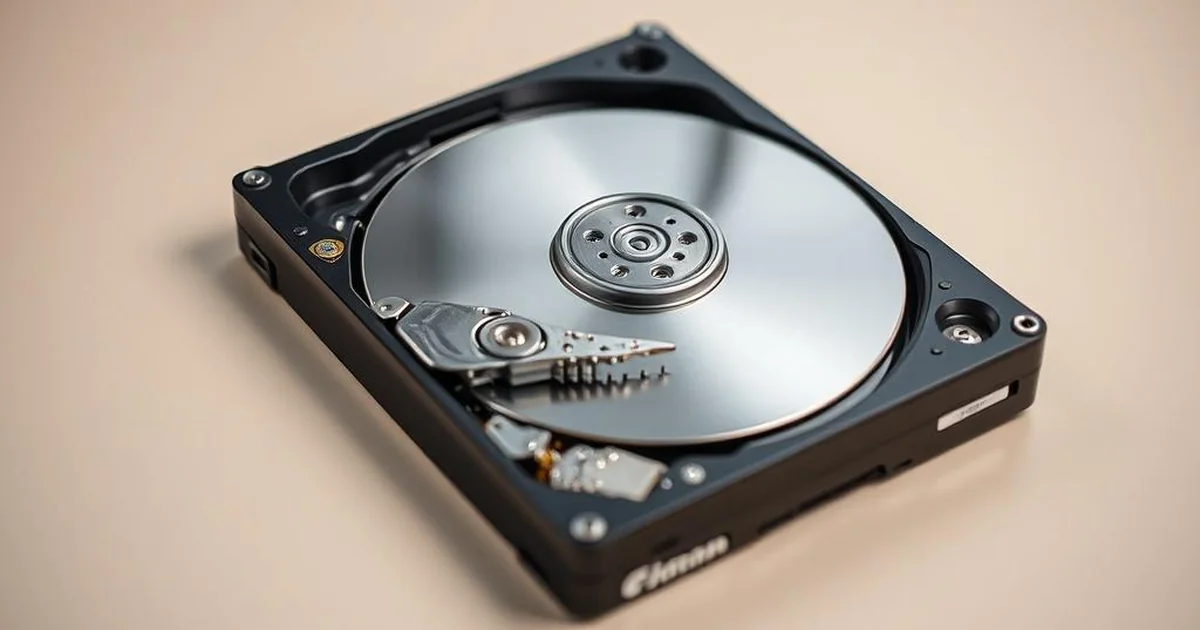
Clicking, knocking and squeaking are not "operational characteristics", but symptoms of a mechanical failure of the HDD. We've collected the most common sounds and what each of them may mean.
Check for HDD crash symptoms →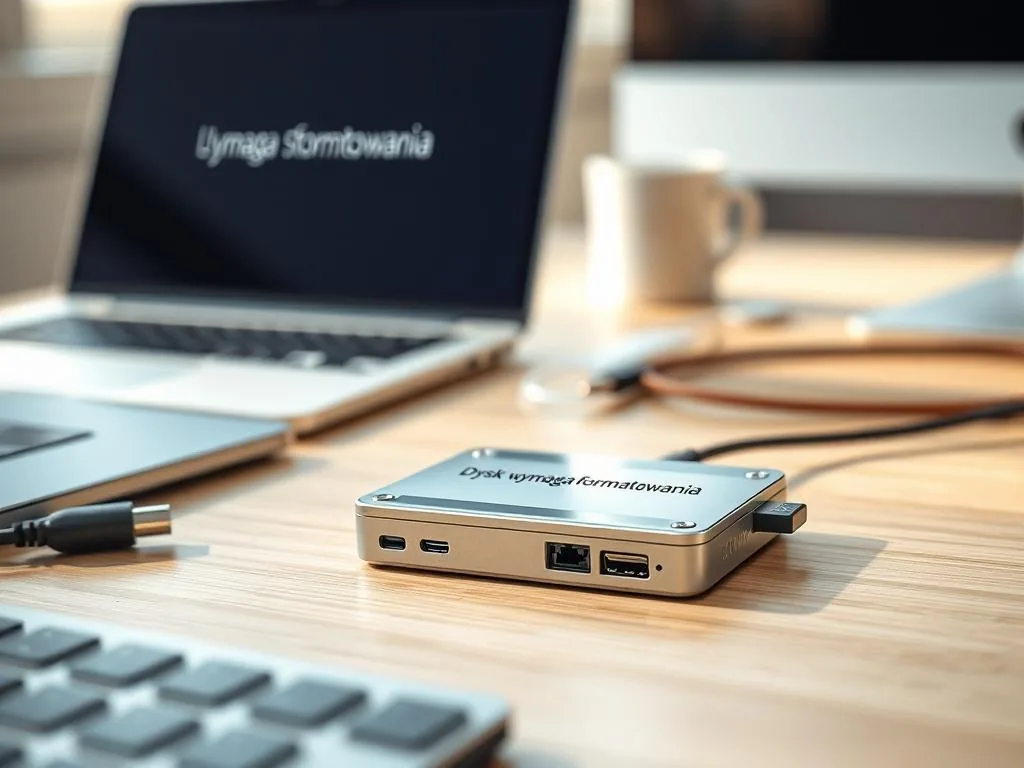
A format prompt does not mean the files are gone. Check what to do before confirming anything.
Do not confirm formatting →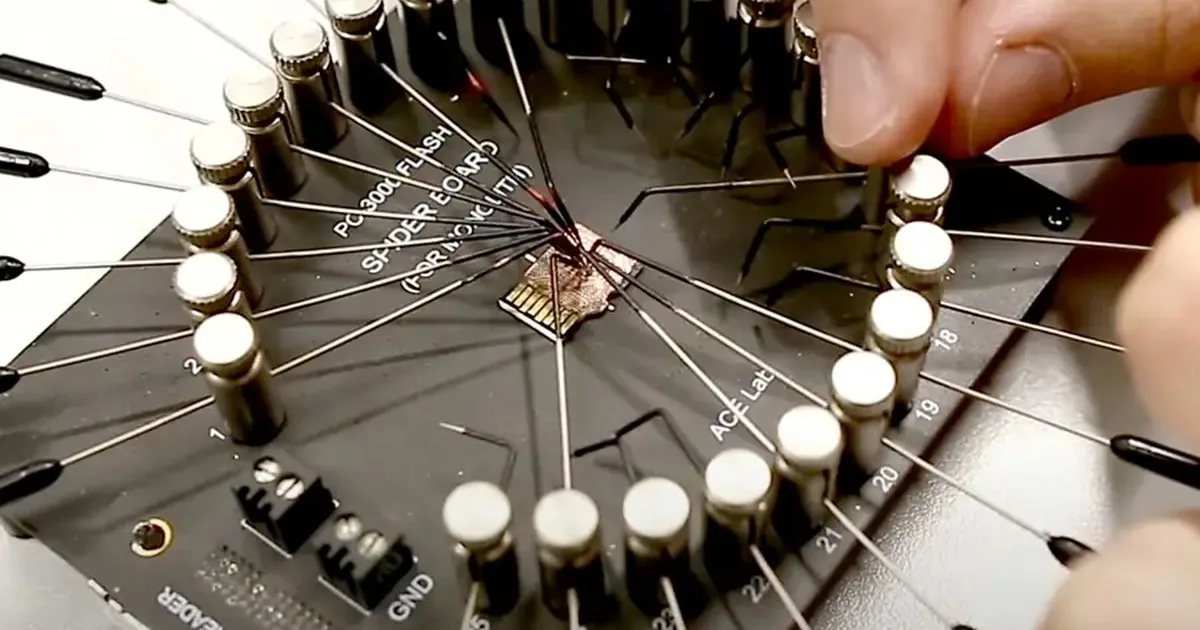
Data loss is a bad time to test random advice from the web. This text organizes what to do right away and what is better not to touch at all.
Check the first steps after data loss →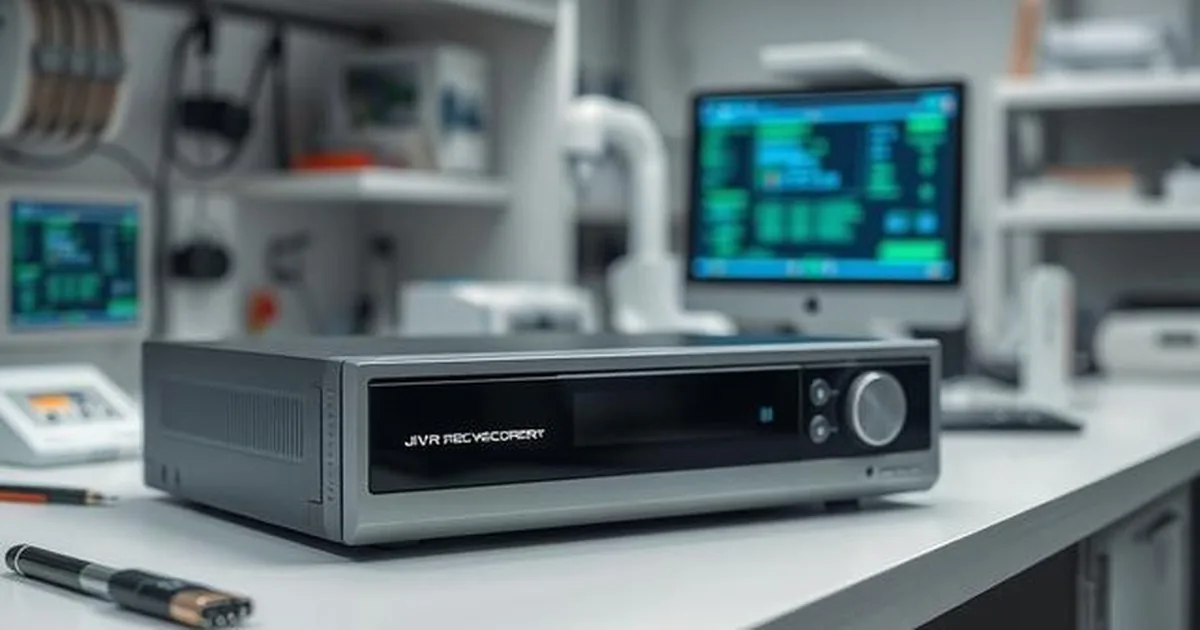
The price of recovery depends on the type of storage device, the type of damage and the scale of laboratory work. We break down the topic into specific ranges and factors that really influence the quote.
See what the price depends on ’
A simple backup should be realistic for implementation, not just nice to present. We show copy layout for small business, photographer and people working on important projects.
See copy plan →
Recovery from HDD starts with recognizing the symptoms, not with installing another program. Here we separate logical, electronic and mechanical failures into specific scenarios.
Check the first steps ’
Deleted recordings from the DVR are not always lost immediately, but time is against you. We explain what the recovery chances in DVR and NVR depend on.
See how to secure the recordings →
Minutes count on SSD, because TRIM and garbage collection can quickly change the situation after deleting files. We explain when recovery is still realistic.
See how TRIM works →
A real case with wedding material that seemed to be lost after the equipment was flooded. We show the course of diagnosis, risks and the final result of recovery.
See script analysis →
Not every backup needs NAS and the corporate cloud. We compare HDD, SSD and online services in terms of cost, convenience and data security.
Check the score →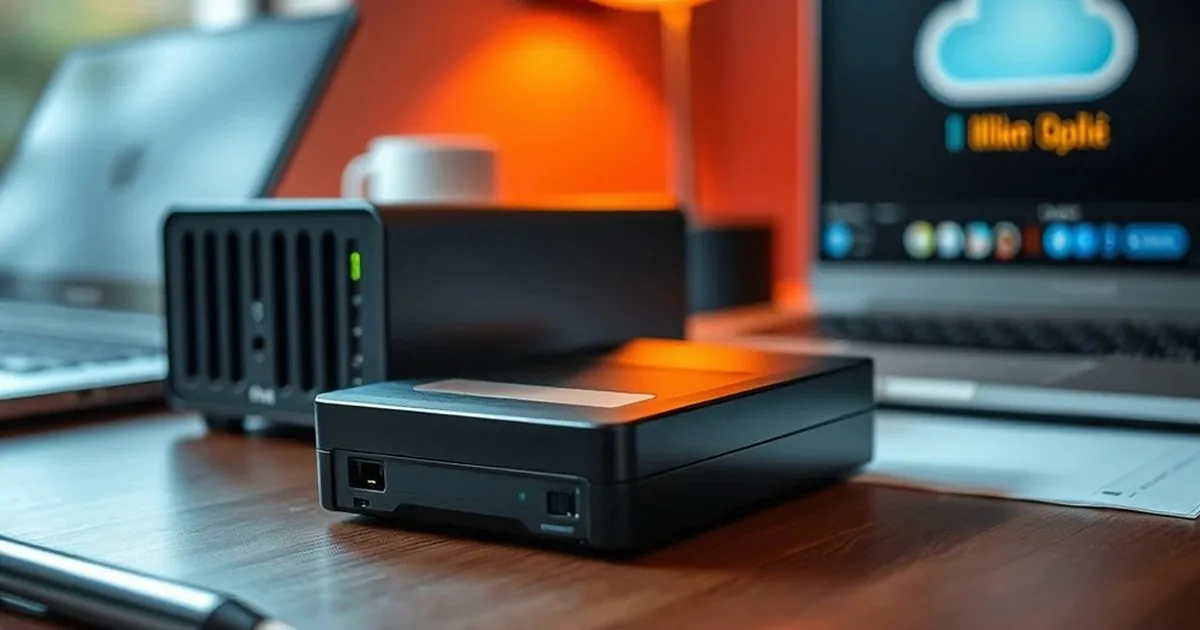
What does a working day in the laboratory look like? Without marketing fog: diagnosis, securing storage devices, sector copies and decisions that need to be made before the actual recovery begins.
See the lab's work →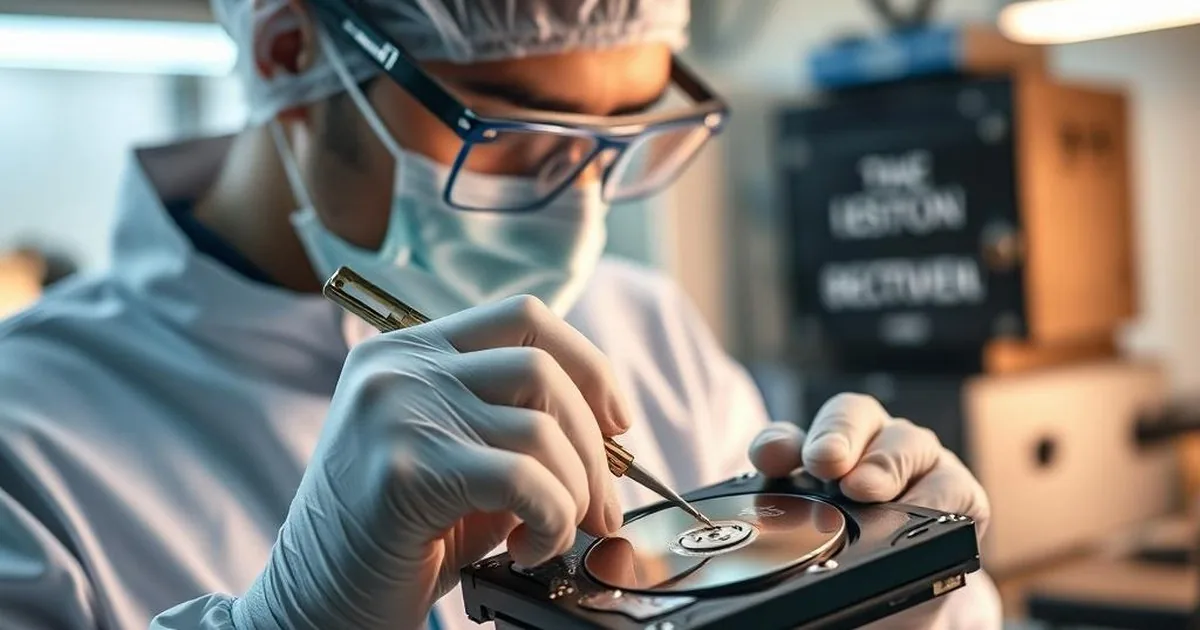
One order without a backup may result in the loss of all material and reputation. This workflow organizes backup for the photographer and cameraman immediately after the photos.
See copy process →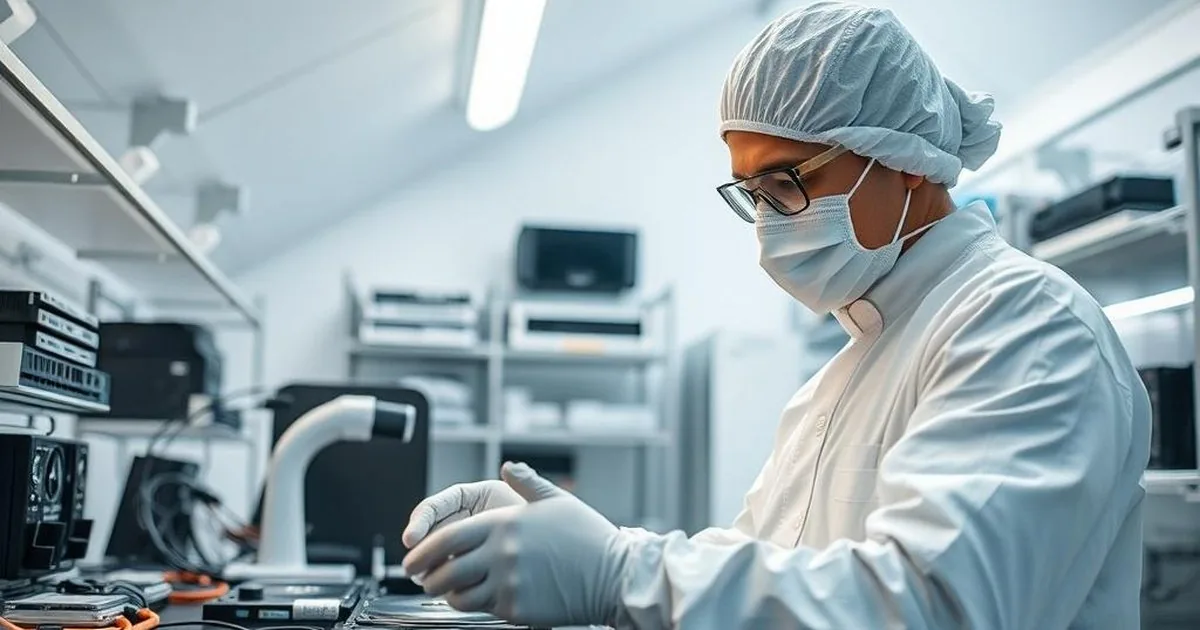
Monitoring must be secured so that the recordings are valuable when they are really needed. We discuss copies, retention and the basics of GDPR compliance.
See how to secure the recordings →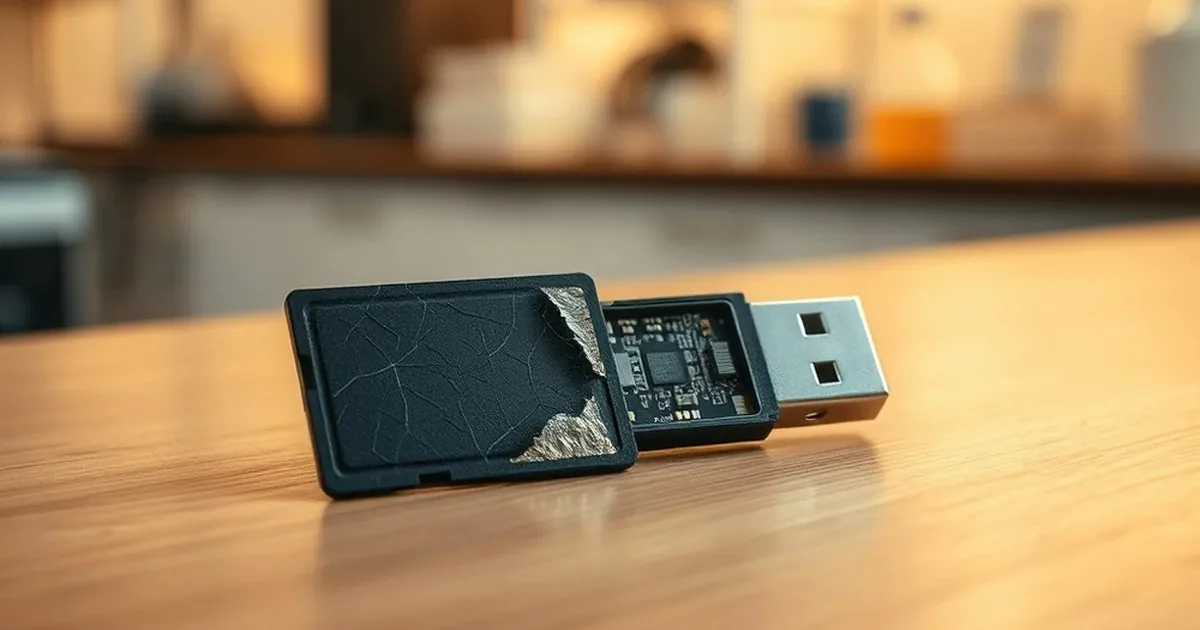
In recorders, the file system is sometimes more important than the device model itself. We explain why JFS and XFS are so important when recovering recordings.
Verify DVR/NVR filesystem →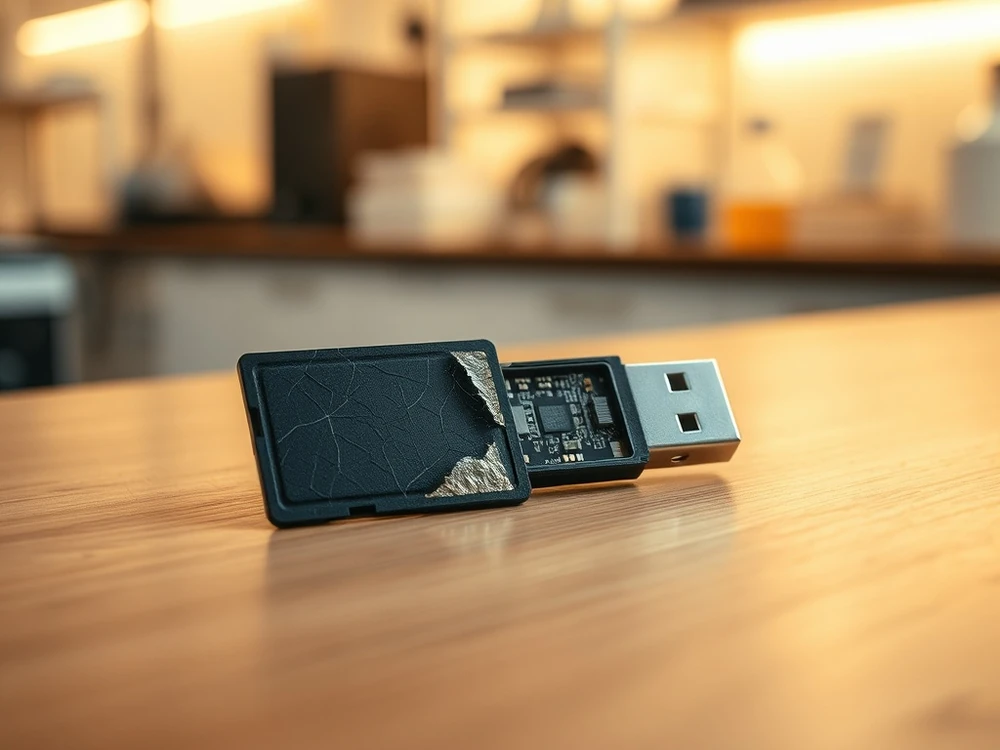
The card or USB flash drive may stop responding without any prior warning. We show the first steps that help, instead of hammering out the USB flash drive.
Check for signs and symptoms of storage device →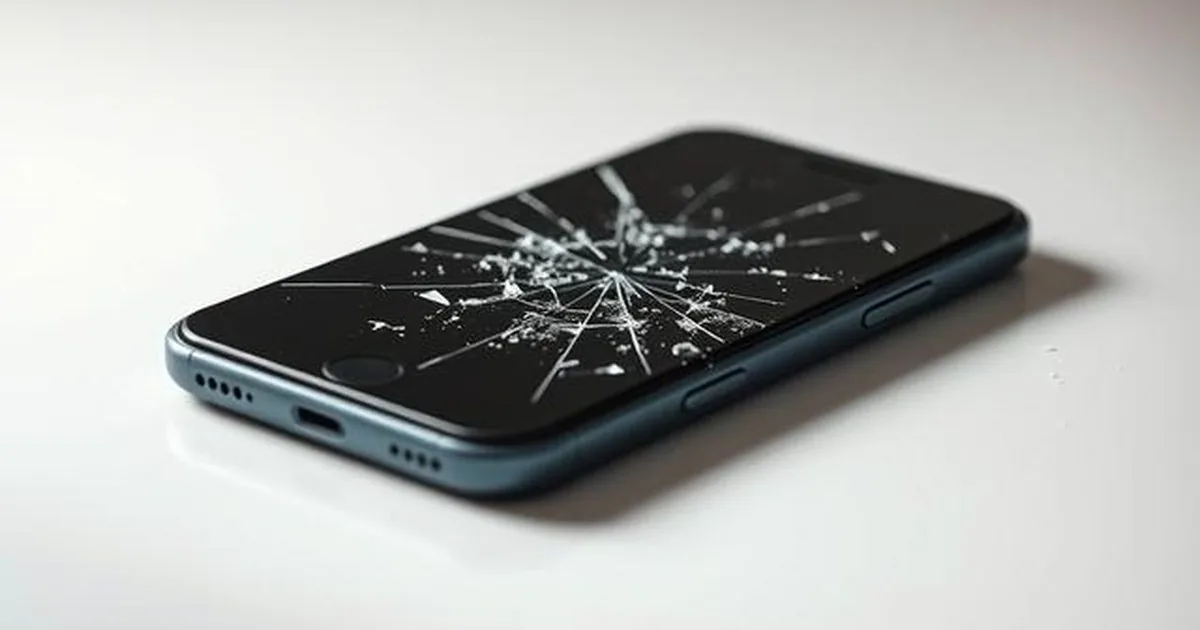
After flooding, the pace is important, but the correct sequence of actions is even more important. Here's a simple checklist: what to disconnect, what not to dry and when to stop starting attempts.
See first steps →
A glowing LED and silence in the system is a common scenario with USB drives. We show you how to distinguish the problem of the housing, cable, power supply and the storage device itself.
Check for USB symptoms →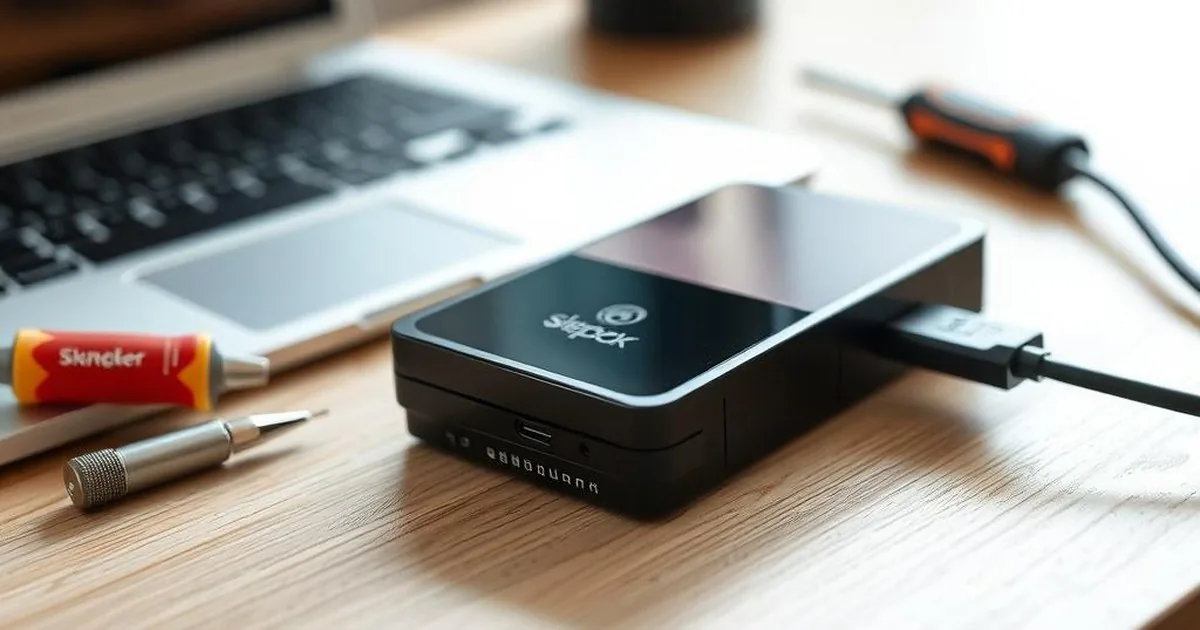
This is one of the most expensive myths in data recovery. The "trial" format can retrieve files that could have been saved a moment earlier.
Prove why not format →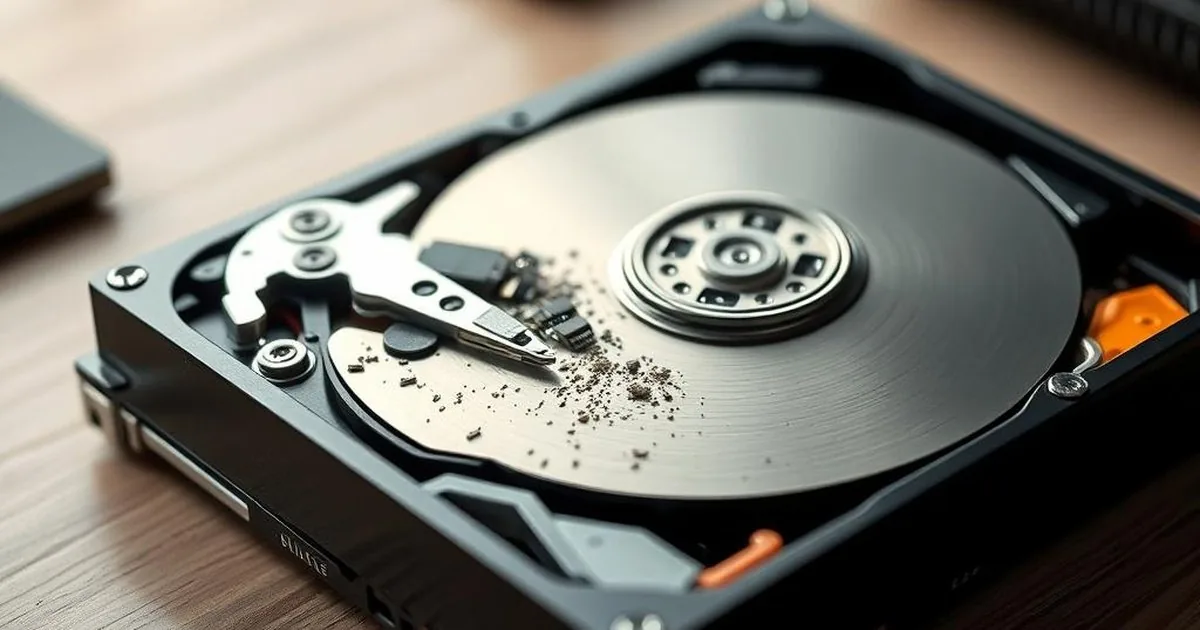
Recovery software saved on the same drive may overwrite the exact files you are looking for. We explain why this mistake is so common.
The risk of overwriting →
An open HDD outside the cleanroom quickly collects dust and loses the chance for safe recovery. We'll show you why "I'll just see for a moment" is a very bad idea.
See what you don't do →
CHKDSK can clean up the file structure at the expense of some data. In the article we explain when such a repair does more harm than good.
Check CHKDSK's risk →
A short guide for people who prefer not to experiment on their own. We explain what a storage device notification looks like and what happens next after contacting the laboratory.
See how to describe symptoms →
Why RAID 5 can report degraded even when every drive appears healthy, and what to check first.
See the first decisions before rebuilding... RAID →
Why redundancy is not the same as a verified backup, especially during rebuilds and operator mistakes.
Check the emergency plan →
A case study of the QNAP attack: what we secured, what was recoverable, and why paying a ransom wasn't the only option.
Read the article →
Private data is also worth protecting like company data: copies, encryption, order on devices and less risky habits. Here's a simple plan without the legal jargon.
Read the article →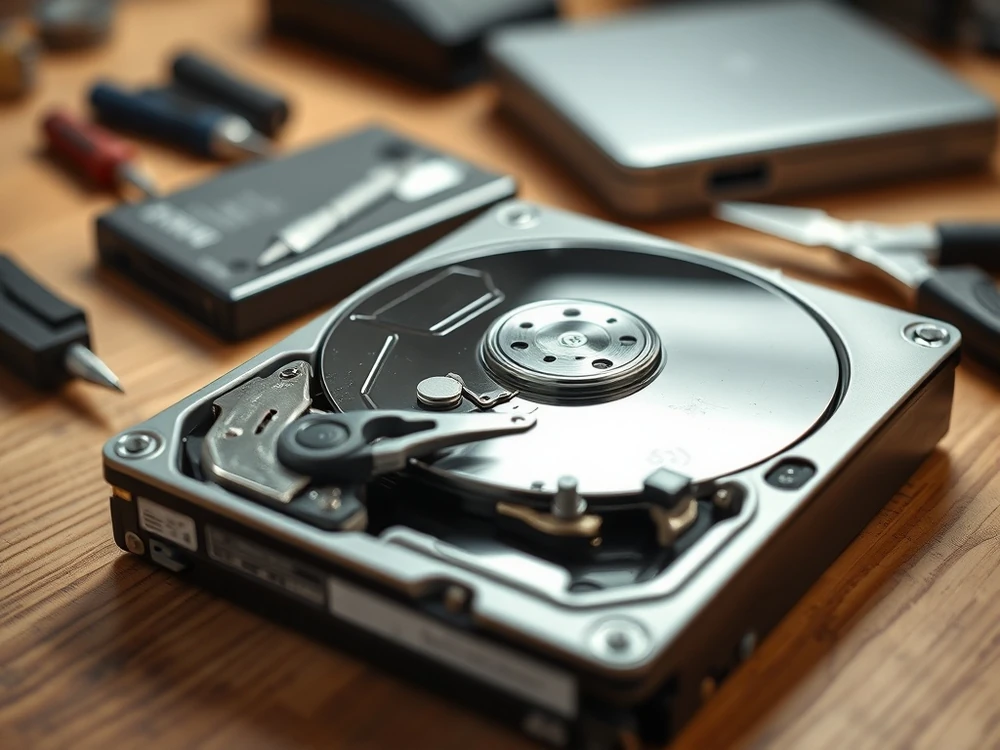
If the HDD has died, the first decisions are the most important: do not reboot, do not format and do not open the case. This guide breaks it down step by step.
Read the article →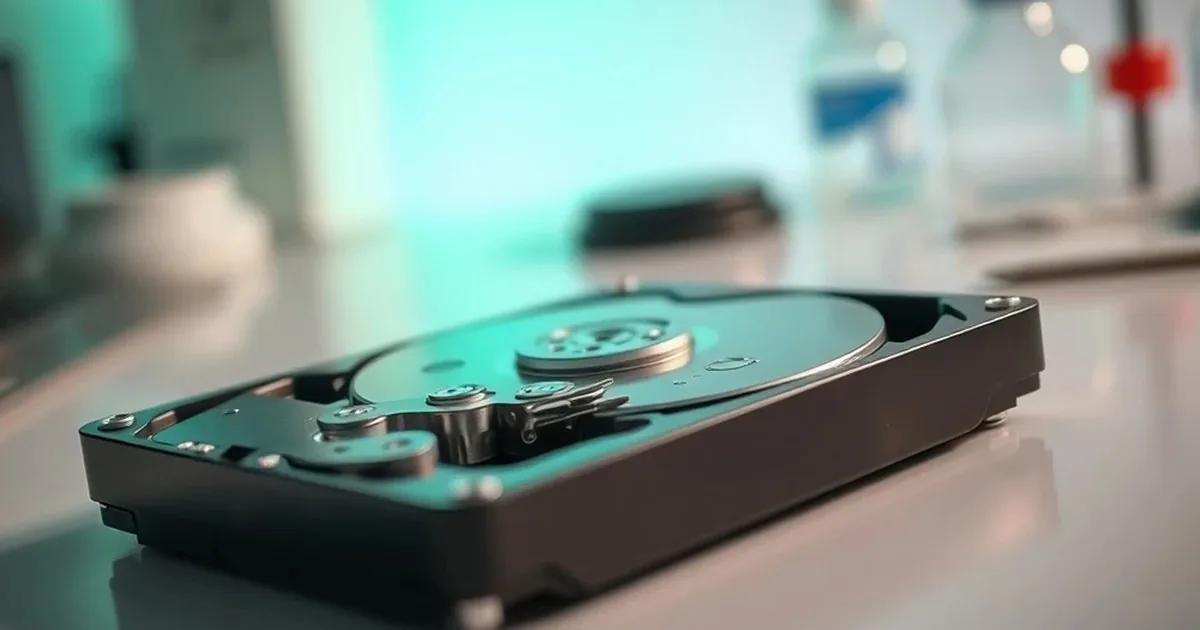
Datastore crash after reboot case study: what secure LUN analysis and recovery looks like in an enterprise environment.
Read the article →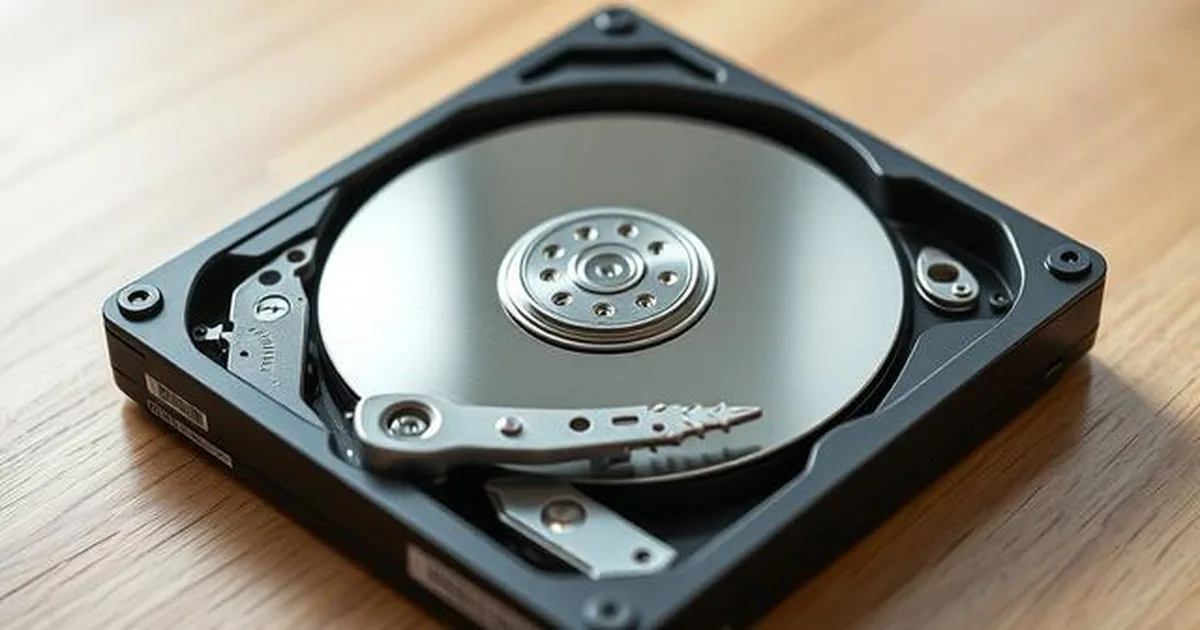
I/O Device Error in WD Passport often starts with slowdowns, disconnections, or copy errors. We explain how to distinguish a USB problem from a real storage device failure.
Read the article →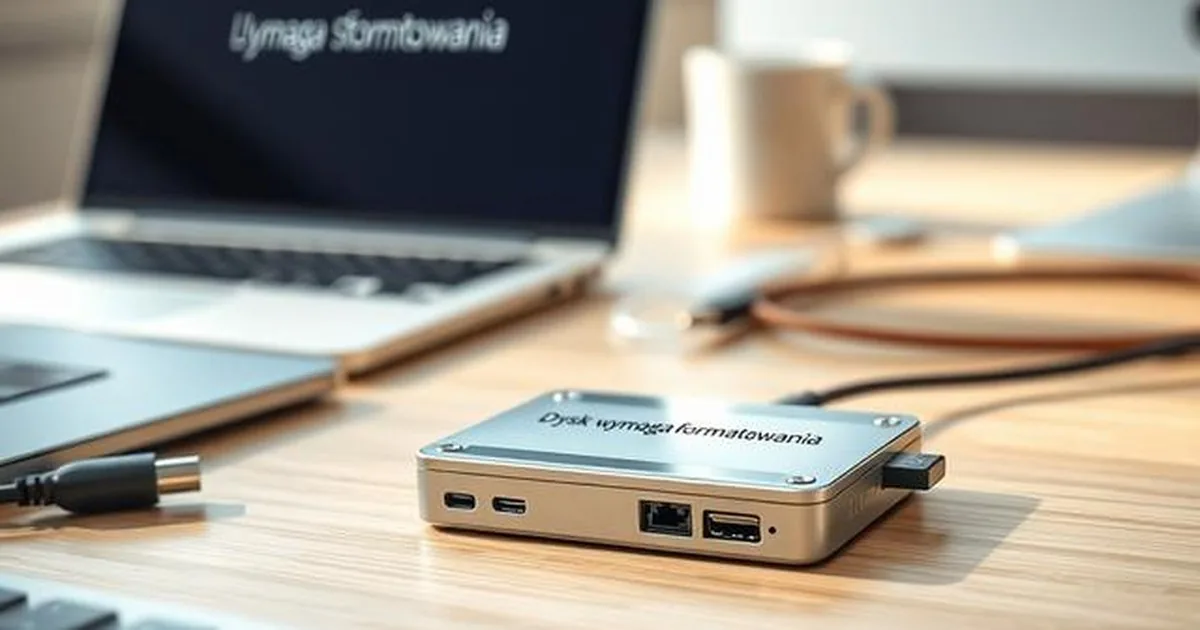
When you're stressed, it's easy to copy everything at once and replace the damaged media. This text tells you what to protect first and how to do it sensibly.
Read the article →
Disconnecting while copying usually indicates instability that will get worse. We show when the hardware is to blame and when the disk itself fails.
Read the article →
The most common errors with arrays in the "degraded"/"offline" status are blind rebuilds and repairs in production. We show a safe procedure.
Read the article →
Steps to avoid when an SSD disappears from BIOS, Windows Disk Management or a laptop boot menu.
Read the article →
Deleted files on SSD are always a race with TRIM. We explain what the chances of recovery depend on and when it is worth acting immediately.
Read the article →Initial lab assessment • NDA/GDPR • Secure imaging
The blog and case studies help to sort out the problem, but we only diagnose the case after analyzing the symptoms. Describe the failure in the form or call: 573 532 490.
Inner consultation